Welcome to Tunisia Stamps
A historic collection of 1,776 Tunisia postage stamps

✨ Discovery of the day
Year: 1940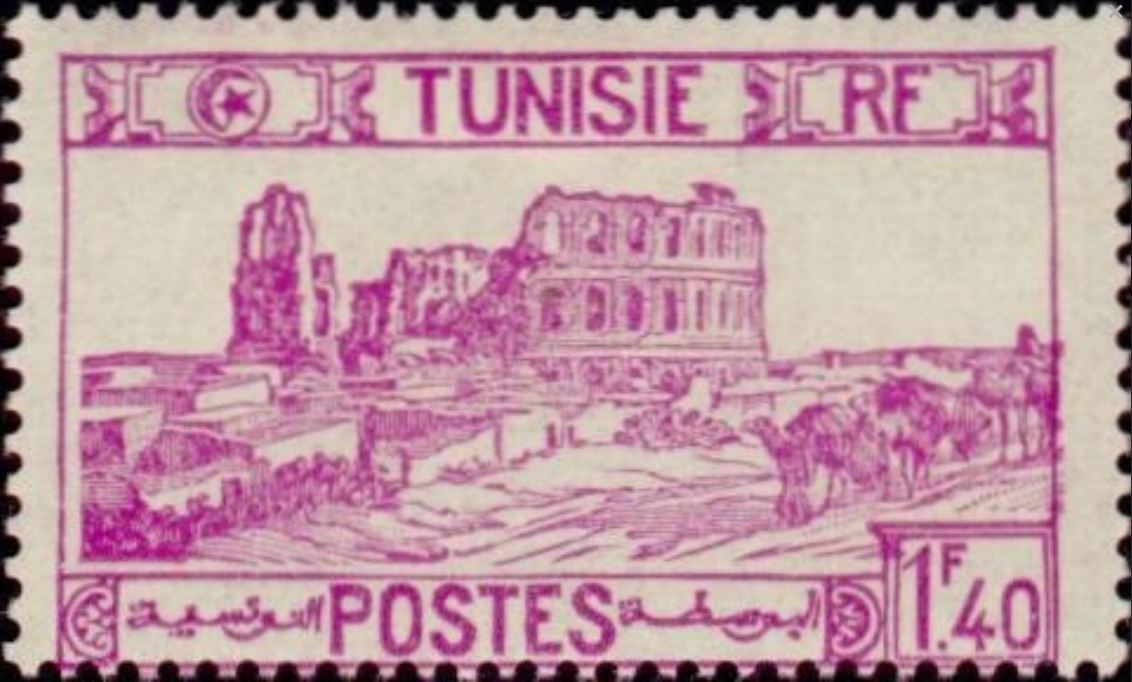
El Djem Amphitheater
In the small town of El Jem stand the impressive ruins of the largest coliseum in North Africa, an immense amphitheater which could accommodate 35,000 spectators. This 3rd century construction illustrates the extension and grandeur of the Roman Empire. The El Jem amphitheater is an exceptional testimony to Roman architecture, particularly that of monuments built for spectacle purposes, in Africa. Located in a plain in the center of Tunisia, this amphitheater, built entirely of cut stone, is neither dug nor backed by a hill. In this way, it takes the model of the Colosseum in Rome without, however, being a simple copy of the Flavian building. Its dimensions (major axis of 148 meters and minor axis of 122 meters) and its capacity (estimated at 35,000 spectators) undoubtedly rank it among the largest amphitheaters in the world. Its facade has three floors of Corinthian or composite style arcades. Inside, the monument retains most of the bleacher support infrastructure. The podium wall, the arena and the underground passages are practically intact. This architectural and artistic work erected around 238 AD. BC constitutes an important milestone for the understanding of the history of Roman Africa. The El Jem amphitheater also bears witness to the prosperity of the small city of Thysdrus (current El Jem) during the time of the Roman Empire.
View Stamp Details →Collection Gallery
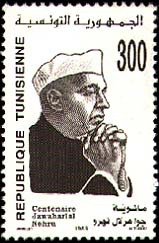
Centenary of the birth of Jawaharlal Nehru
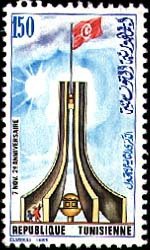
2nd Anniversary of November 7, 1987

4th session of the Carthage theater days
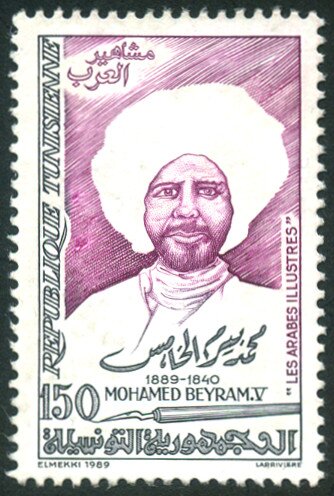
Centenary of the death of Mohamed Bayram V
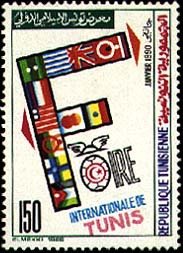
Tunis International Fair (January 1990)
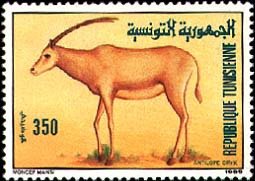
Tunisian wildlife - Oryx antelope
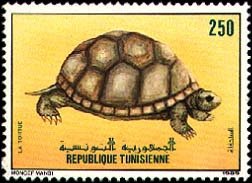
Tunisian wildlife - Turtle

Family well-being
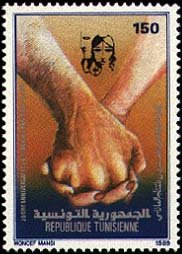
20th Anniversary of Planned Parenthood

Knowledge - Education for all
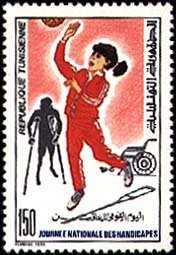
National Day of the Disabled

The Tunisian Red Crescent

The Arabs: Ali Douagi
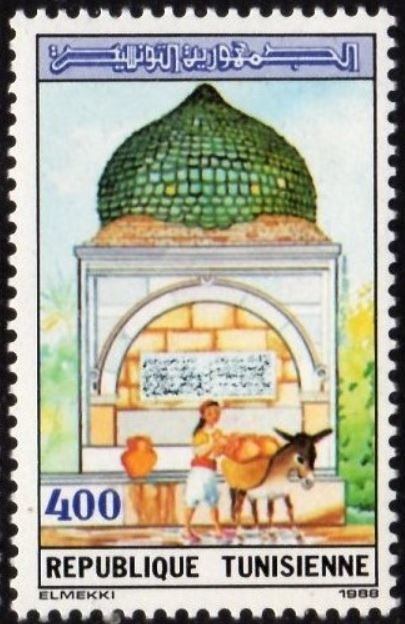
The Sabil - Dar Bouzaiane Sbil El Mechmèch (1793) - Hydraulic heritage
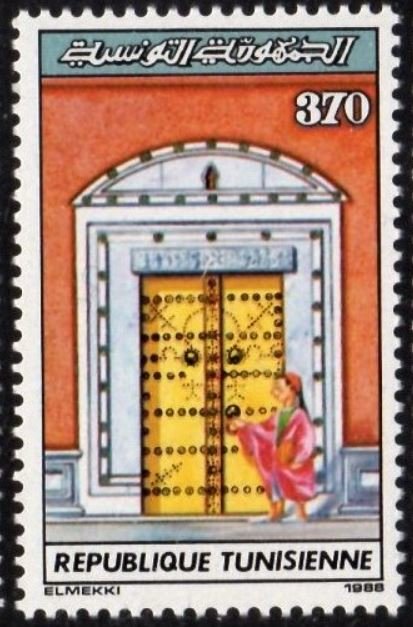
The yellow door and the knocker - Dar Bouzaiane (16th-17th century) - Urban tradition
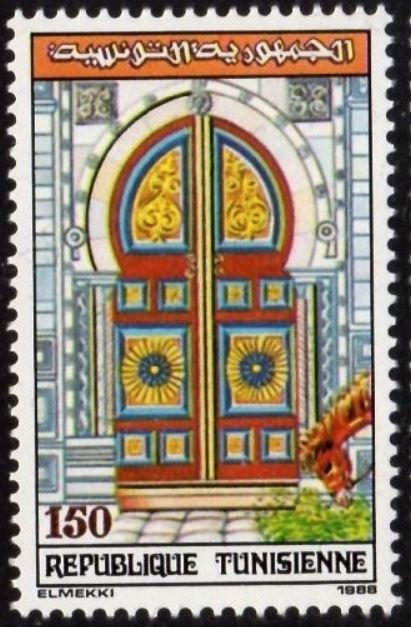
The painted door - Dar Bach Hamba (19th century)
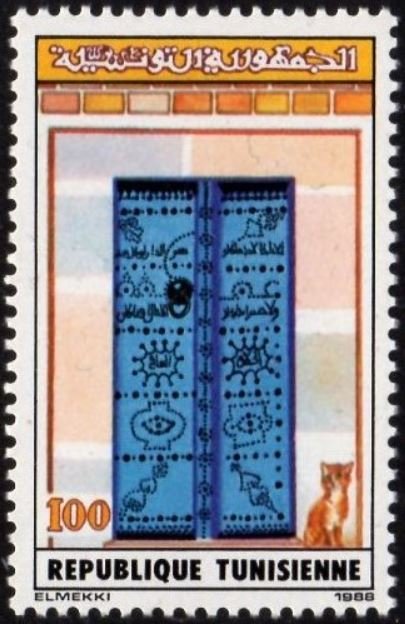
The blue door - Dar Rassâa (15th-16th century) - Sidi Bou Saïd
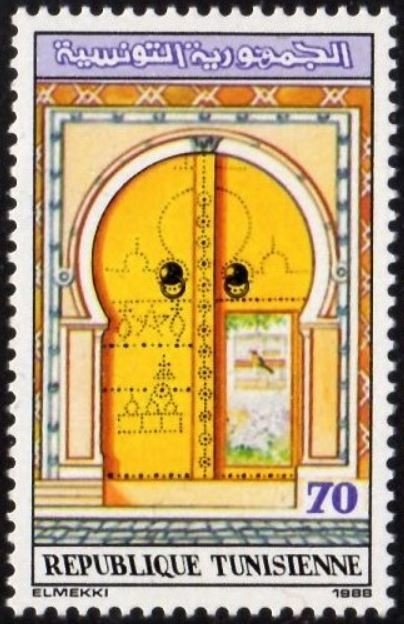
The yellow door - Dar Othman (19th century) - The Medina
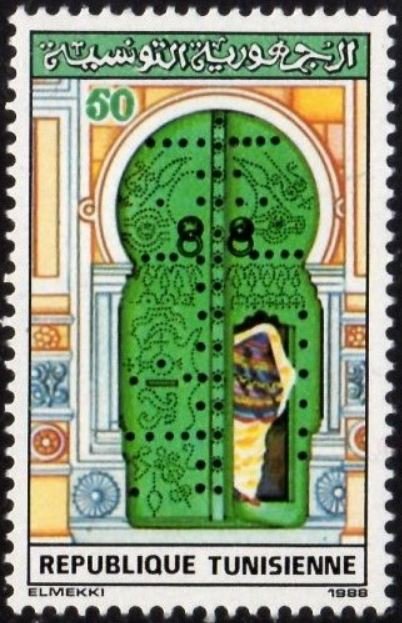
The green door - Dar El Barbouchi (18th century) - Sidi Bou Saïd
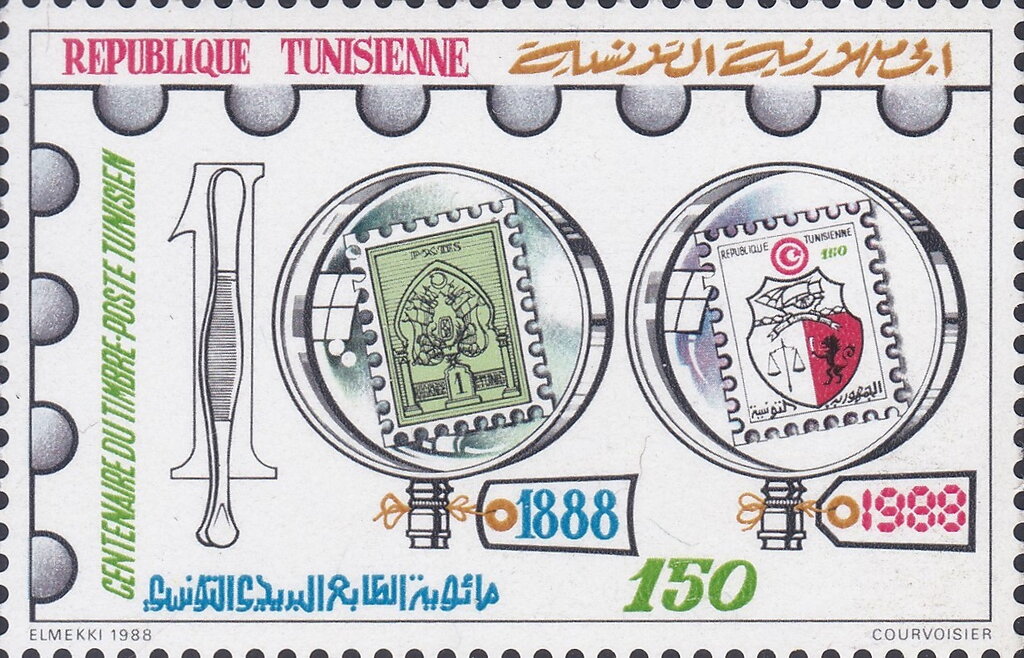
Centenary of the Tunisian postage stamp

40th anniversary of the Universal Declaration of Human Rights

40th anniversary of Tunis Air
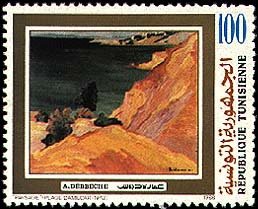
Painting by Abdelaziz Debbeche: Landscape “Gammarth Beach”