Welcome to Tunisia Stamps
A historic collection of 1,776 Tunisia postage stamps

✨ Discovery of the day
Year: 1981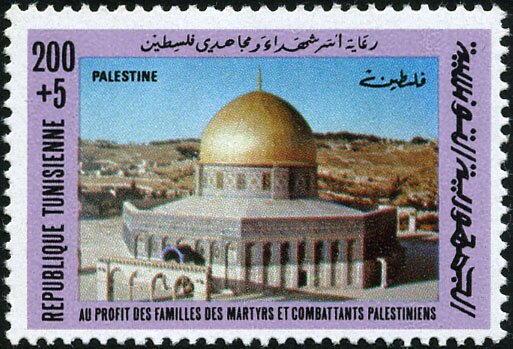
Solidarity with the Palestinian people - 205 millimes
This stamp expresses Tunisia's solidarity with the Palestinian people through the representation of an emblematic place in Jerusalem, carrying a strong religious, historical and symbolic charge. The illustration highlights the sacred dimension of the site and its anchoring in the collective memory of the Arab and Muslim world. The message is clearly humanitarian and political, emphasizing support for families affected by the conflict and attachment to the values of justice and dignity. In the Tunisian context, this stamp is part of a tradition of constant support for Arab causes, affirming a position of international solidarity based on deep cultural, spiritual and historical ties.
View Stamp Details →Collection Gallery
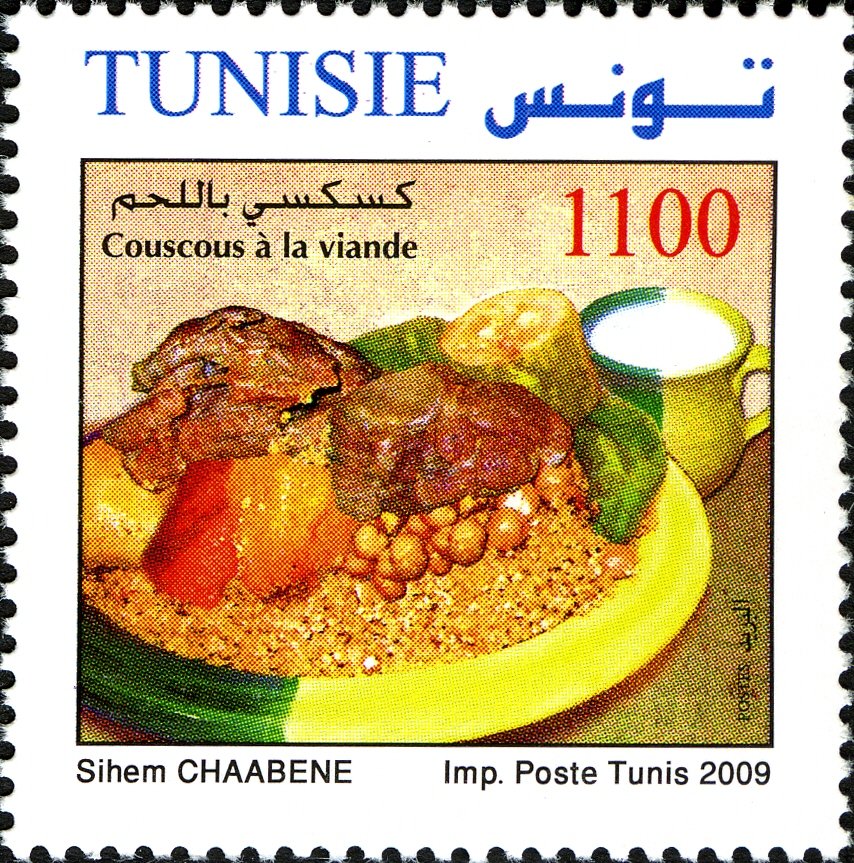
Tunisian Dishes Couscous with Meat
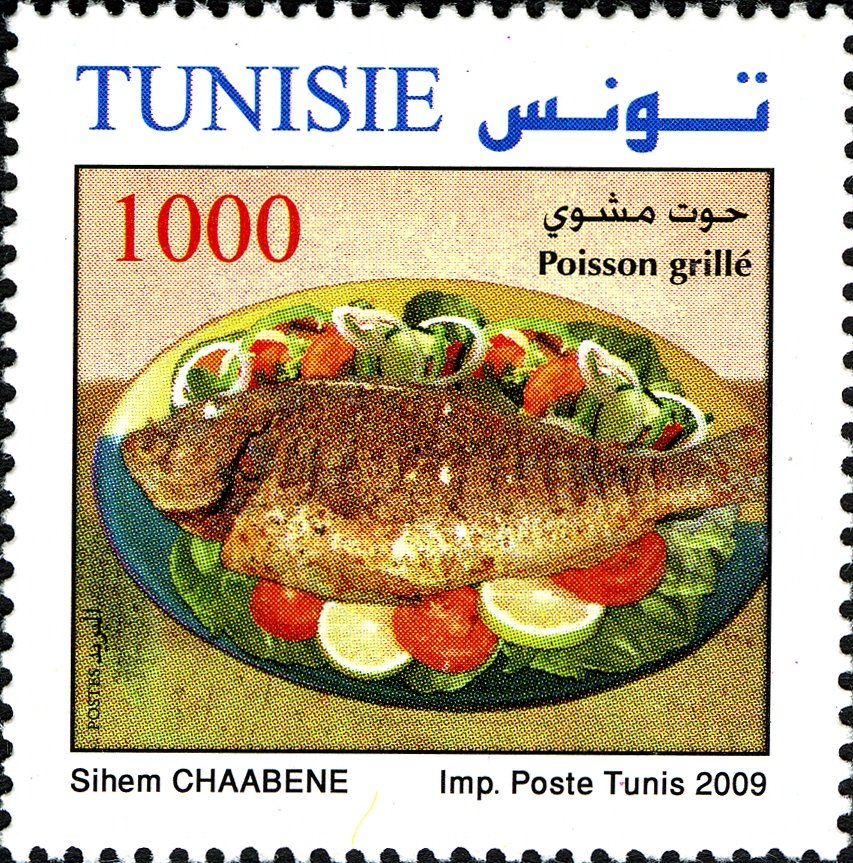
Tunisian Dishes Grilled Fish
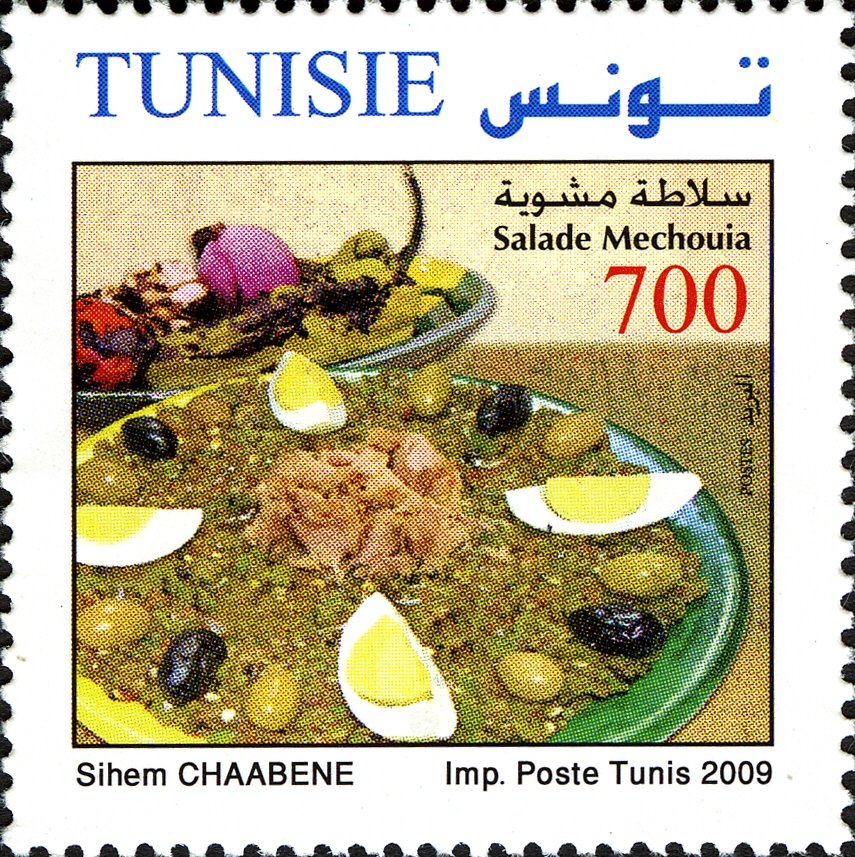
Mechouia salad
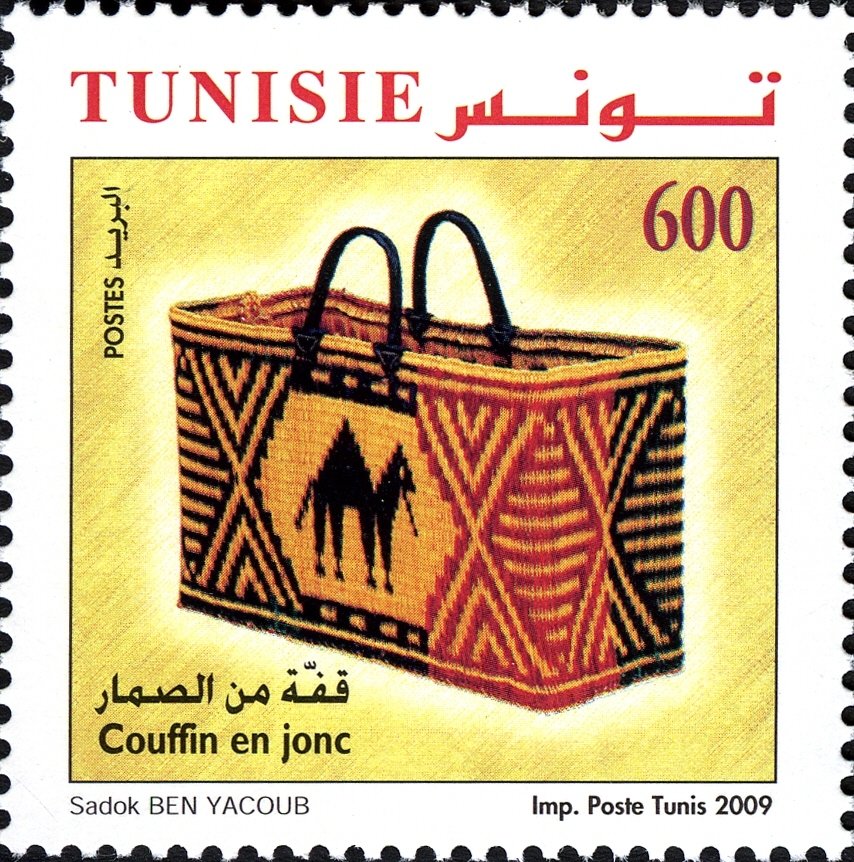
Rush basket
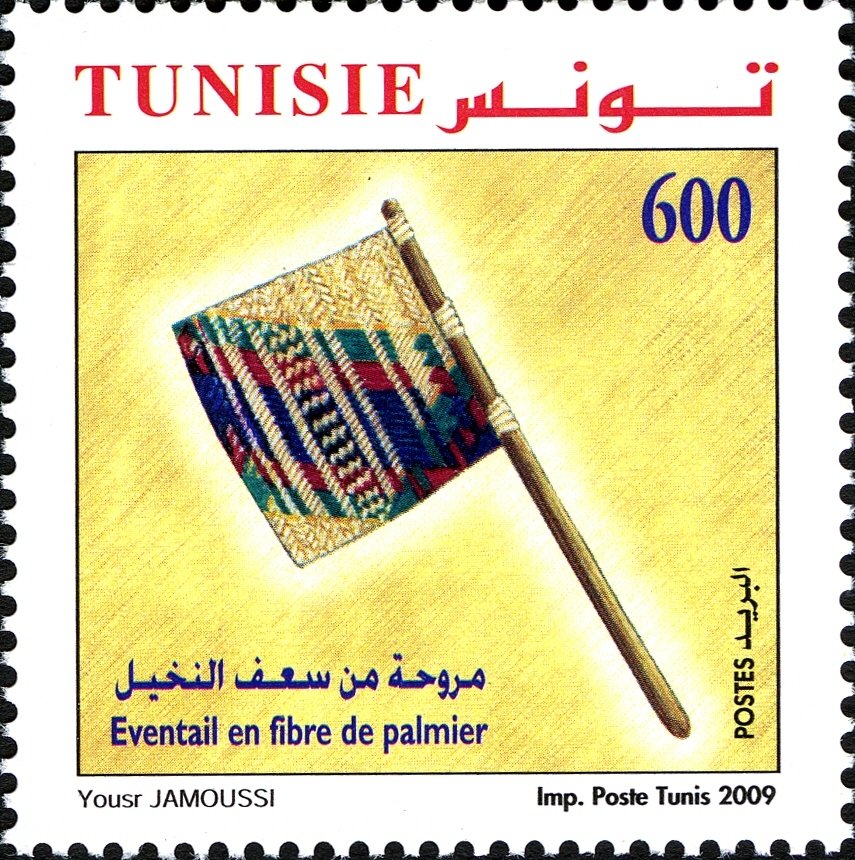
Palm fiber fan
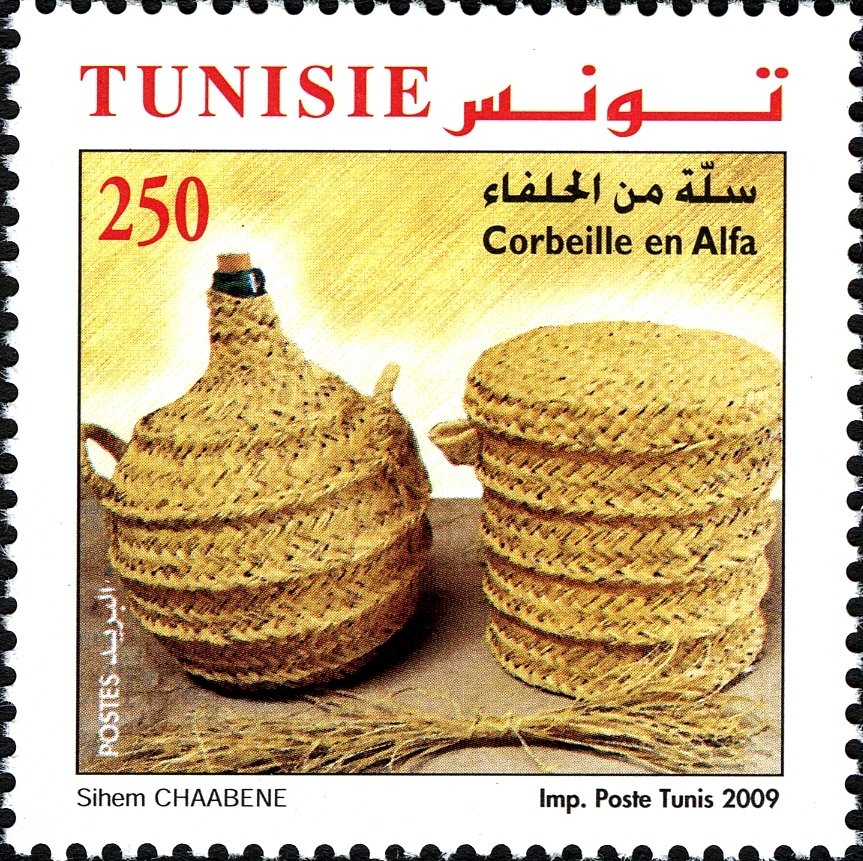
Alfa basket
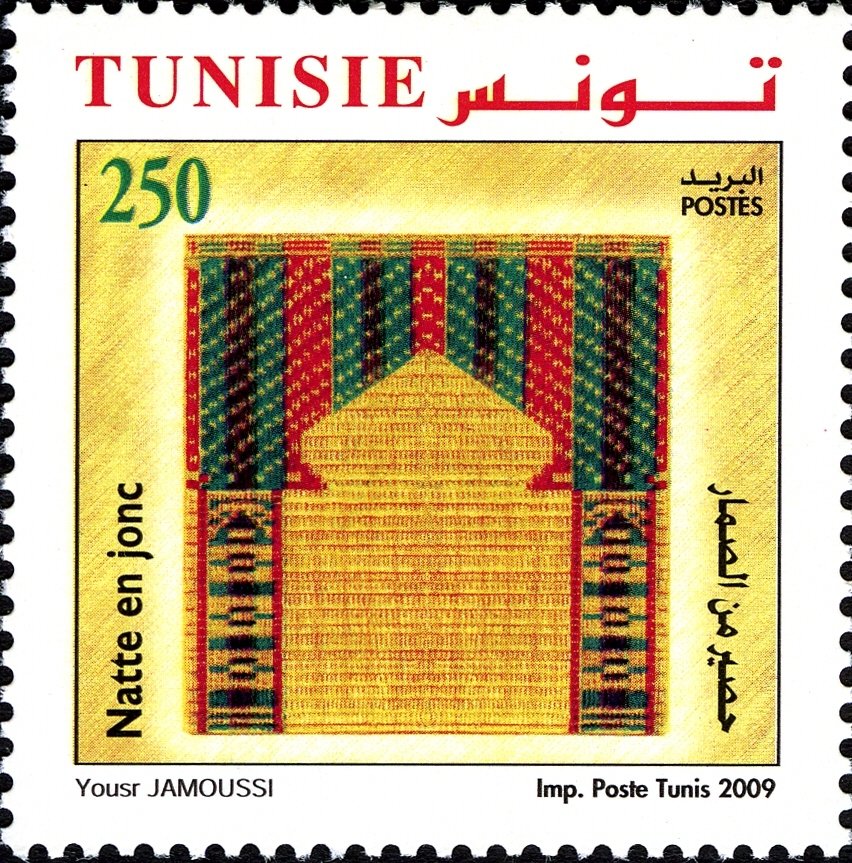
Rush mat - H'sir
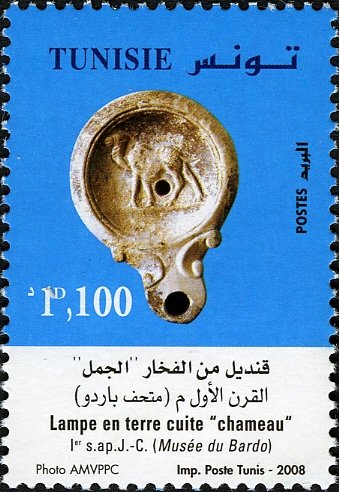
Terracotta Pieces: A “Camel” terracotta lamp
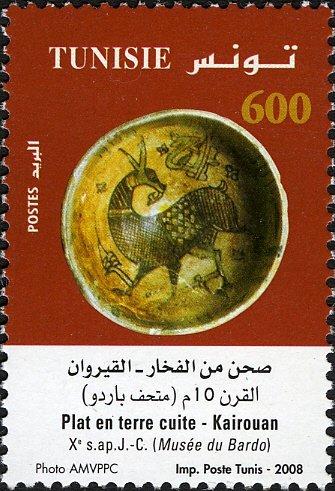
Terracotta Pieces: A terracotta dish
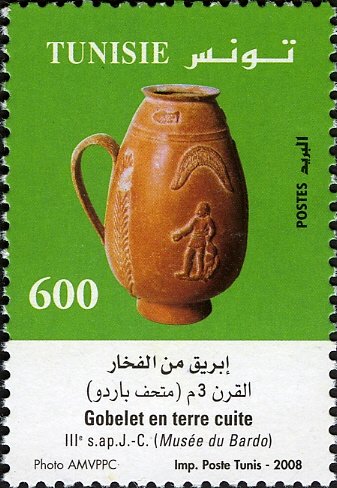
Terracotta Pieces: An ovoid terracotta goblet
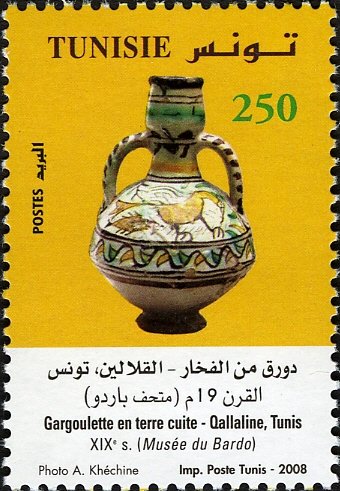
Terracotta Pieces: A terracotta gargoulette
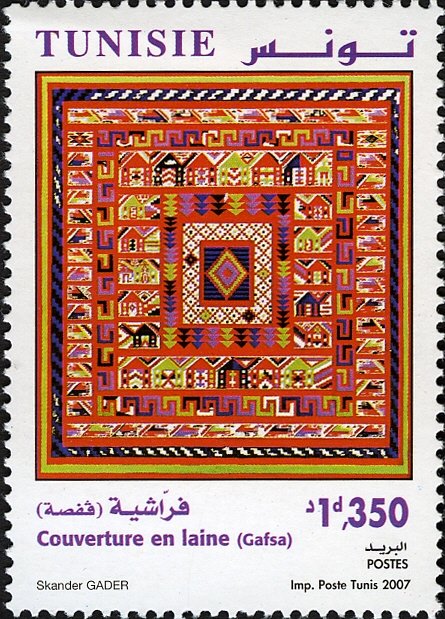
Tapestry: Wool Blanket (Gafsa)
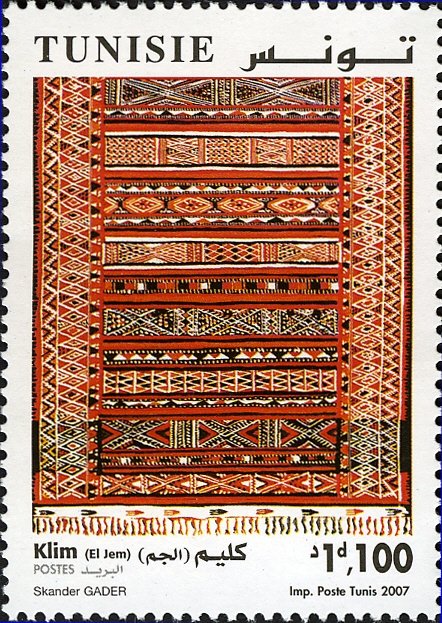
Tapestry: Klim (El Jem)
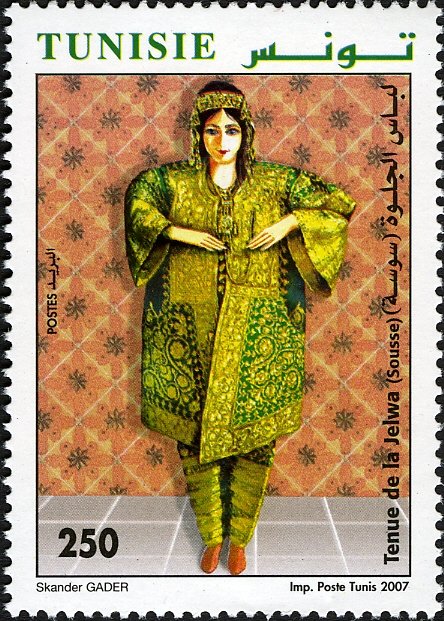
Traditional Costumes: “Jelwa” outfit
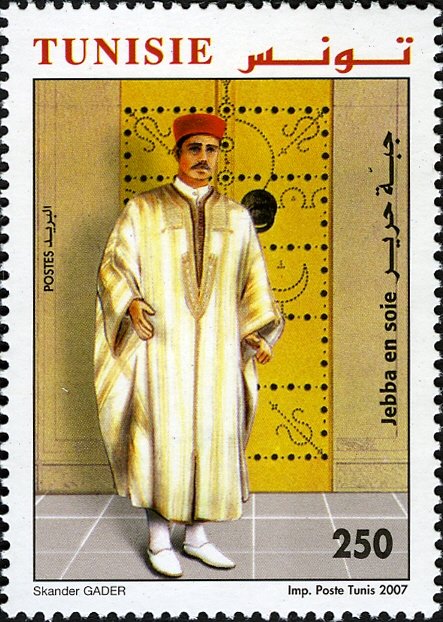
Traditional Costumes: Jebba in Oneself
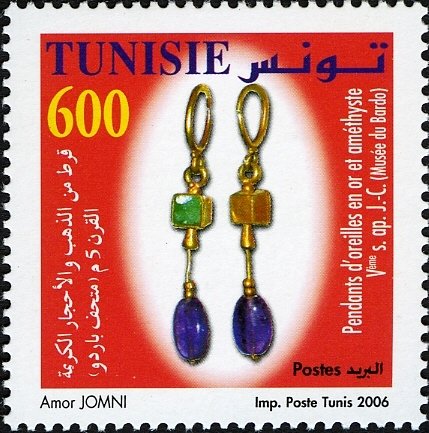
Jewelry and Jewels of the Punic and Roman Eras: Gold and amethyst ear pendants
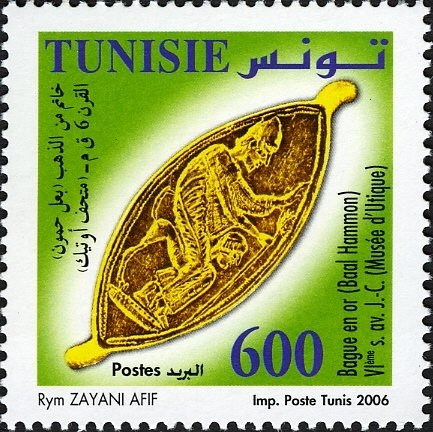
Jewelry and Jewels of the Punic and Roman Eras: Gold ring
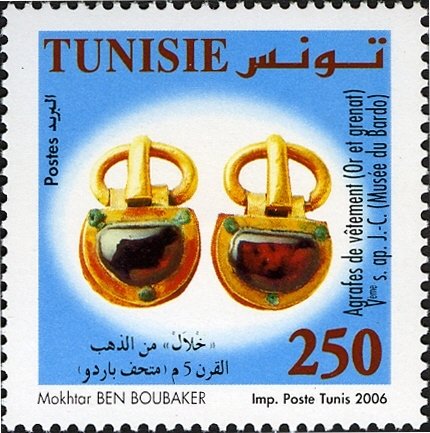
Jewelry and Jewels of the Punic and Roman Eras: Khlel (clasp) in gold
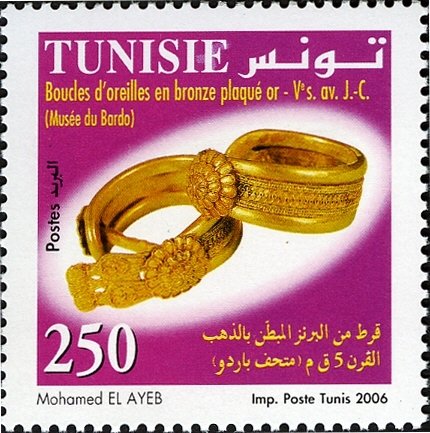
Jewelry and Jewels of the Punic and Roman Eras: Bronze plated earring
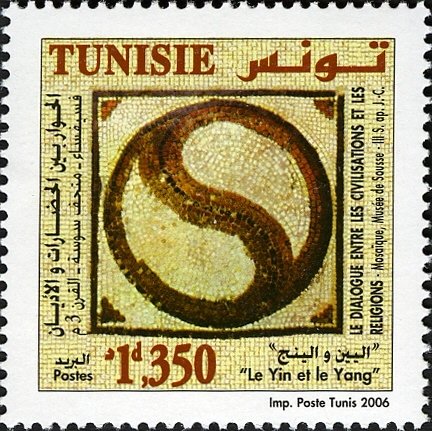
Dialogue between Civilizations and Religions, Mosaic, Sousse Museum - III century AD
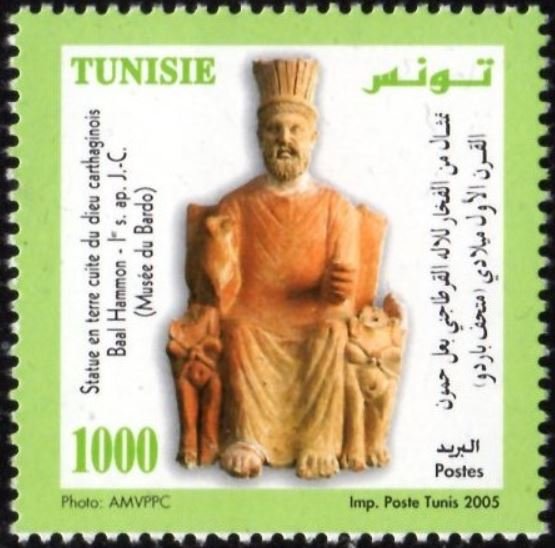
Sculptures from the Punic and Roman Periods: Terracotta statue of the Carthaginian god Baal Hammon - 1st AD BC (Bardo Museum)
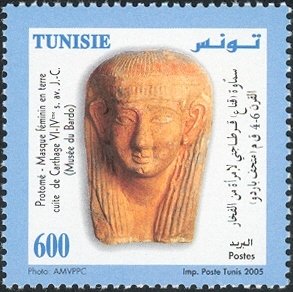
Sculptures from the Punic and Roman Periods: Female terracotta mask from Carthage VI-IV century B.C. BC (Bardo Museum)
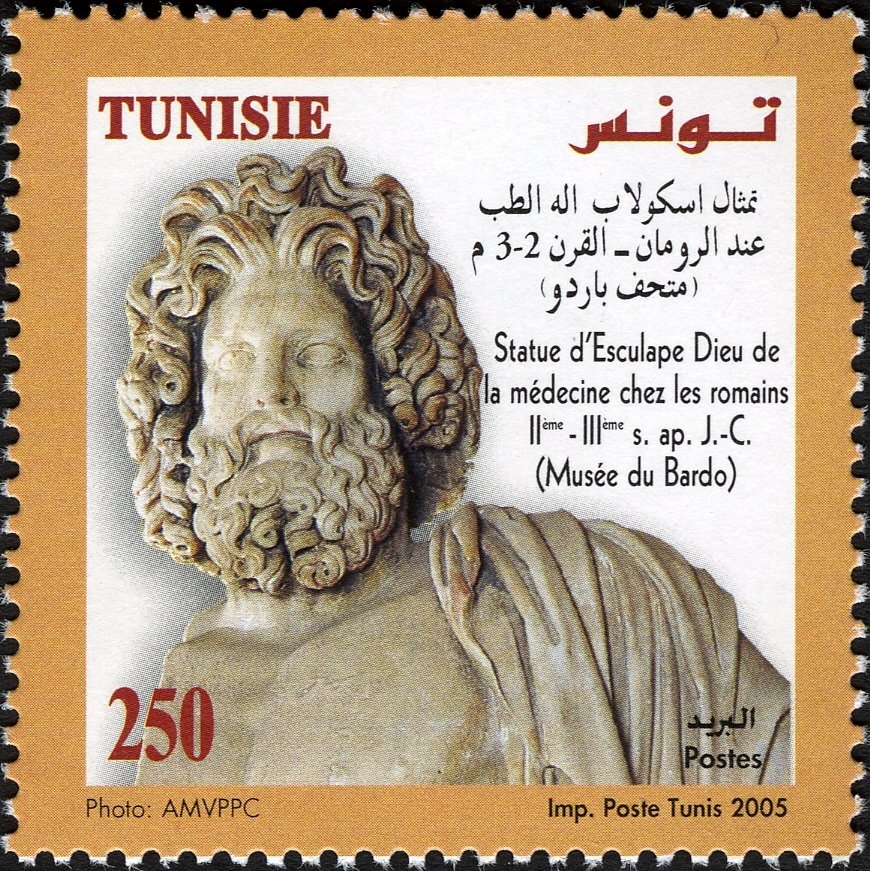
Sculptures from the Punic and Roman Periods: Statue of Aesculapius God of Medicine among the Romans 2nd - 3rd AD BC (Bardo Museum)