Welcome to Tunisia Stamps
A historic collection of 1,776 Tunisia postage stamps

✨ Discovery of the day
Year: 1975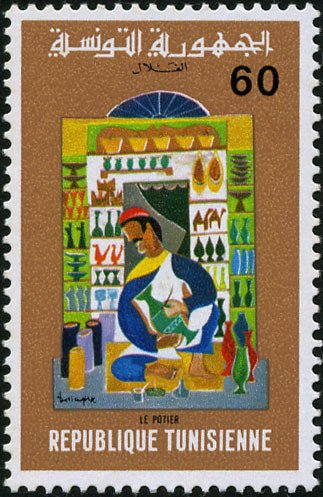
Scenes from Tunisian life - The potter
The art of pottery constitutes one of the oldest pillars of Tunisian craftsmanship, with nerve centers like Nabeul or the island of Djerba (Guellala) which perpetuate age-old clay shaping techniques. This know-how, inherited from Punic and Roman civilizations, is not limited to the creation of utilitarian objects; it structures the economic organization of entire regions and has defined the country's domestic aesthetics for centuries. By promoting work on the land, the Republic underlines the importance of a natural resource transformed by human genius into a vector of cultural identity and social stability for many artisan families. Beyond its practical function, pottery embodies the resilience of a precious intangible heritage in the face of the challenges of modern industrial production. The integration of this artisanal figure into national philately makes it possible to sanctify a noble gesture which combines technical precision with artistic creativity, making each piece of clay an ambassador of Mediterranean refinement. This stamp thus testifies to the desire to preserve harmony between man, his environment and his most fertile historical roots, elevating the potter's profession to the rank of guarantor of collective memory and the continuity of national traditions.
View Stamp Details →Collection Gallery
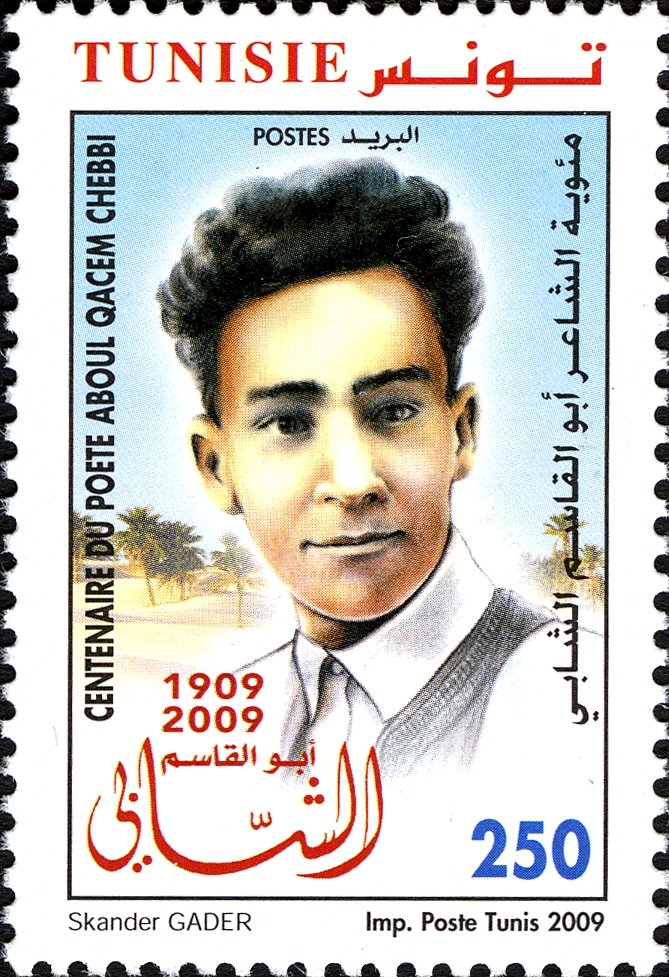
Centenary of the Poet Aboul Qacem Chebbi
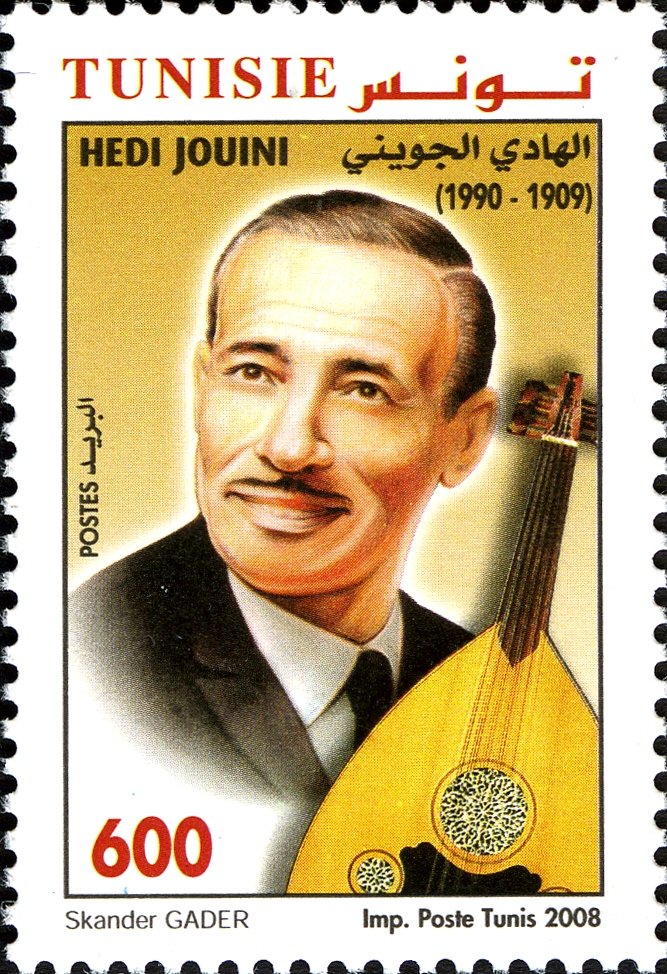
Hédi Jouini (1909-1990)
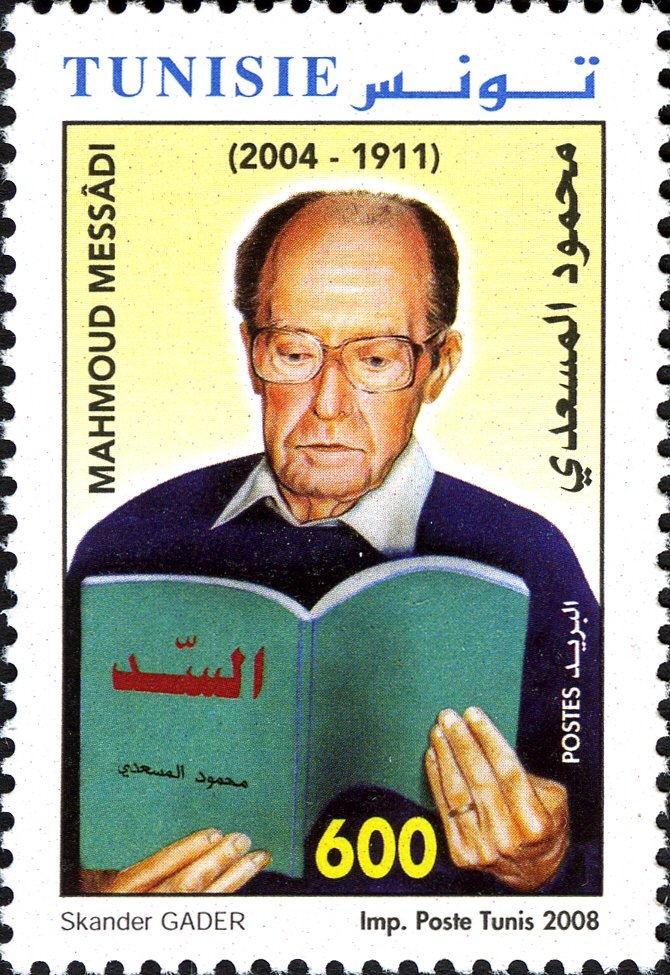
Mahmoud Messadi (1911-2004)
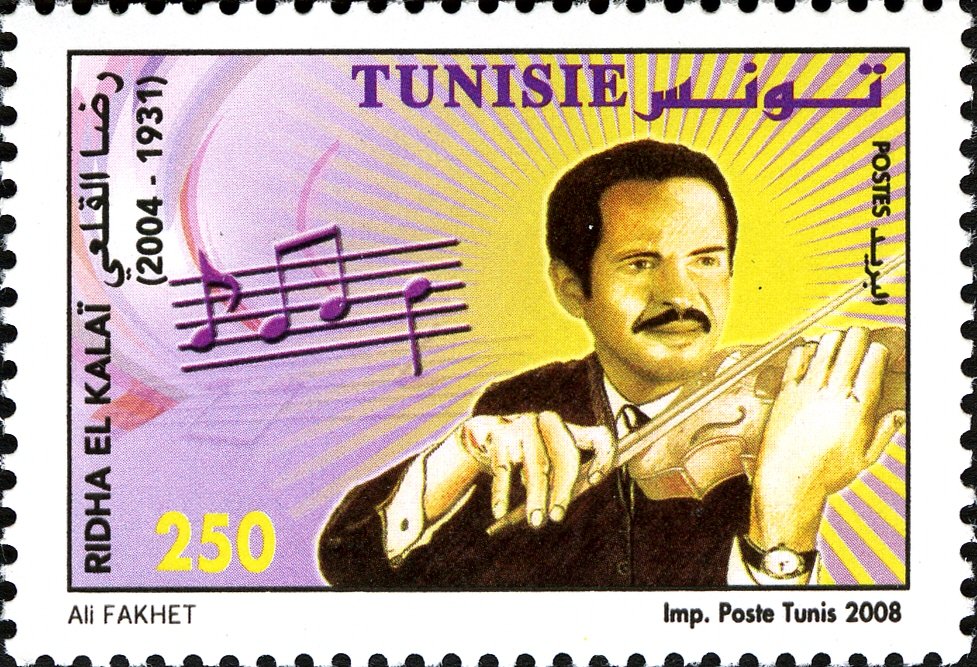
Ridha El Kalaï (1931-2004)
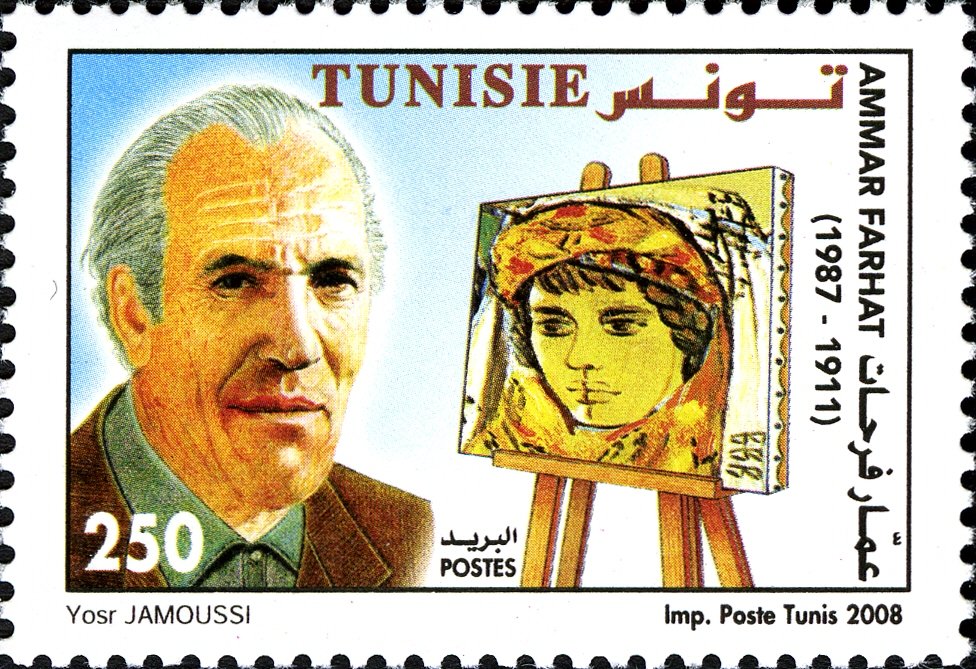
Ammar Farhat (1911-1987)
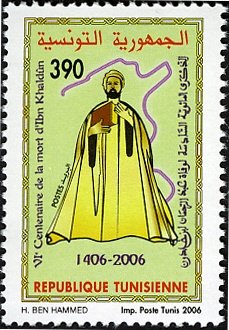
6th Centenary of the Death of Ibn Khaldoun
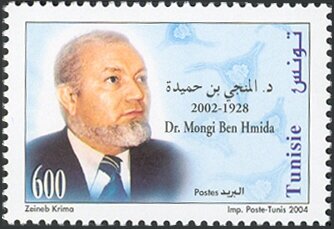
Dr. Mongi Ben Hmida
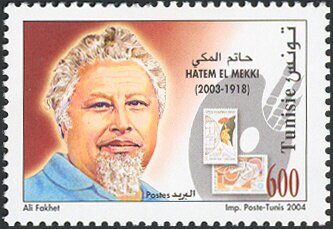
Hatem El Mekki
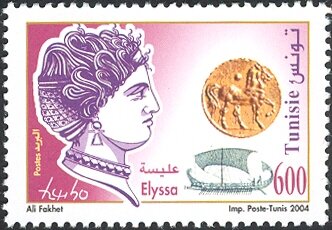
Elyssa (Dido), Queen of Carthage
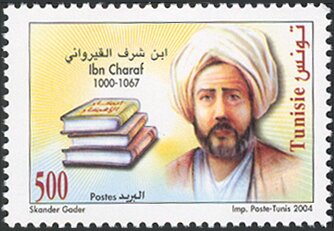
Ibn Charaf Alkairawani
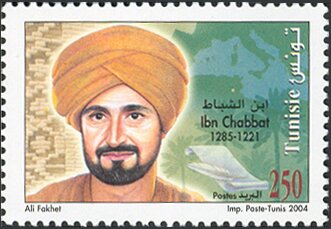
Ibn Shabbat
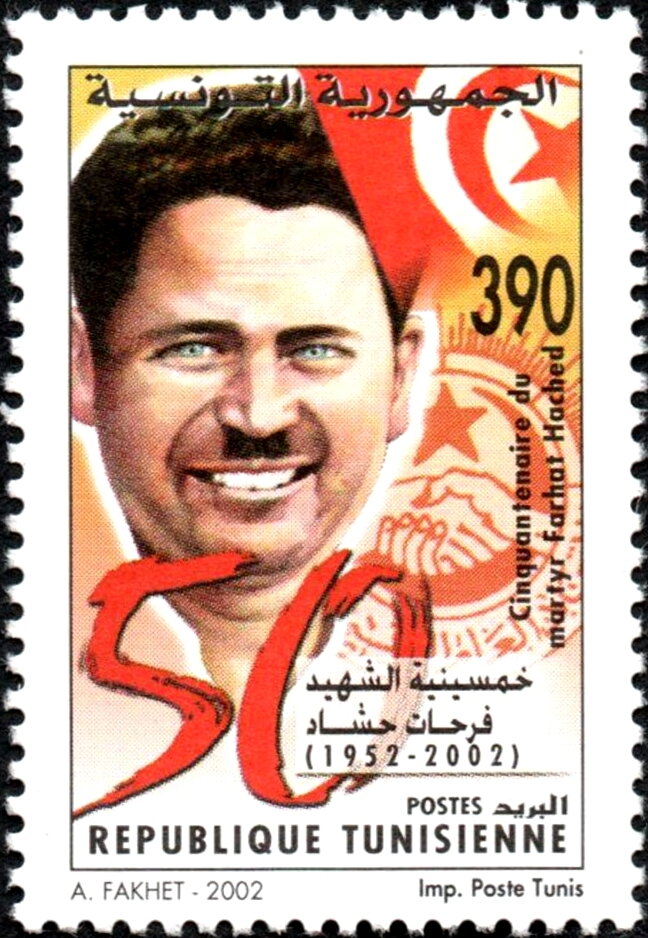
50th anniversary of the assassination of Farhat Hached
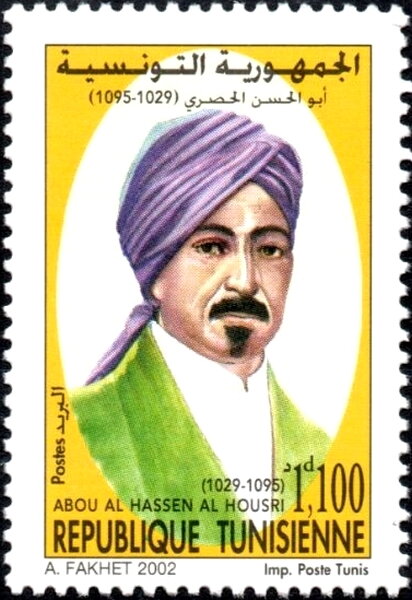
Abu Al Hassan Al Housri
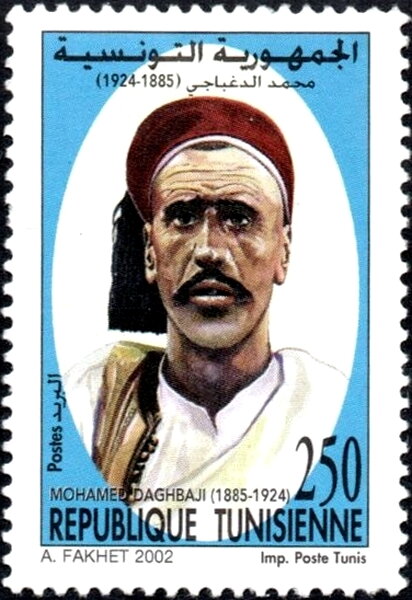
Mohamed Daghbaji
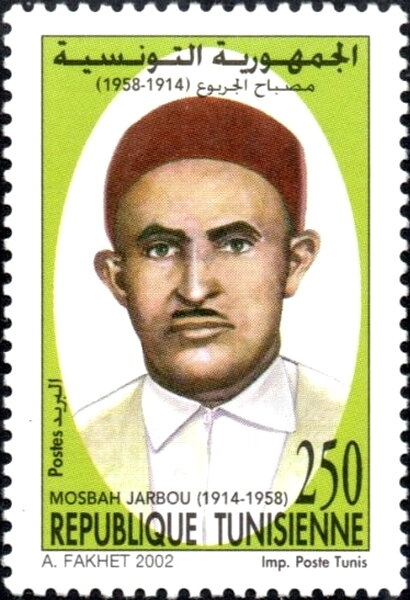
Mosbah Jarbou
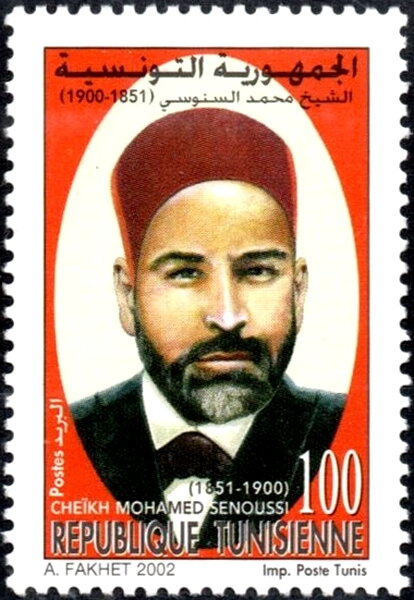
Mohamed Ben Othman Snoussi
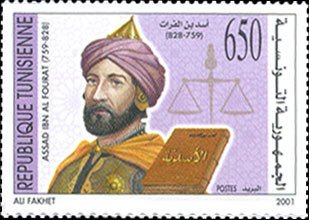
Assad Ibn Al Fourat
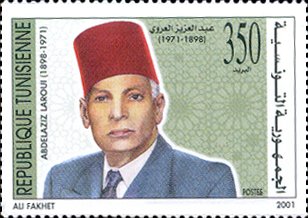
Abd El Aziz El Iroui
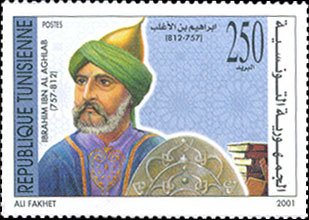
Ibrahim Ibn Al Aghlab
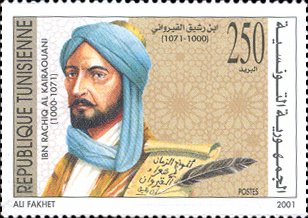
Ibn Rachiq Al Kairaouani
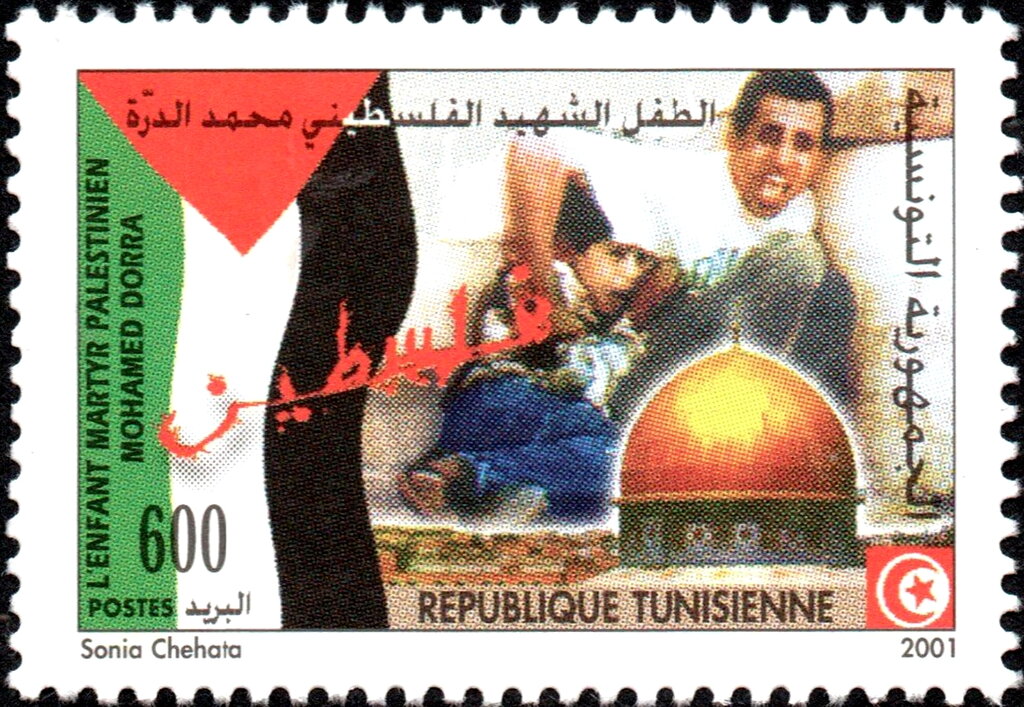
Palestinian Child Martyr Mohamed Dorra
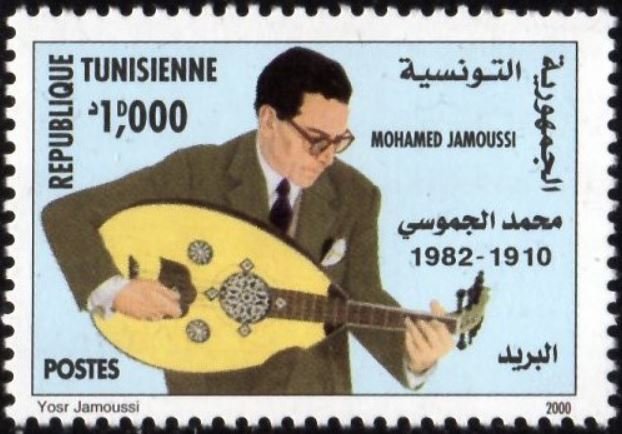
Mohamed Jamoussi - 1910-1982
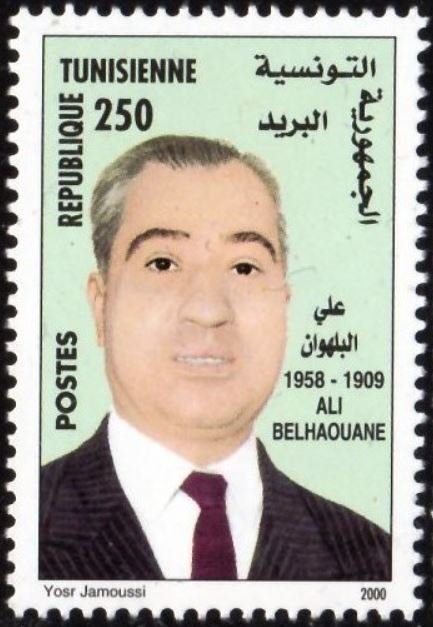
Ali Belhaouane - 1909-1958