Welcome to Tunisia Stamps
A historic collection of 1,776 Tunisia postage stamps

✨ Discovery of the day
Year: 1970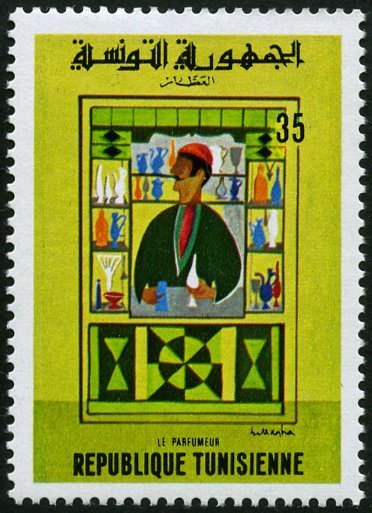
Scenes from Tunisian life. The perfumer
The profession of perfumer, or “El Attar”, is one of the most prestigious pillars of Tunisian urban craftsmanship, whose historic heart beats in the famous Souk el-Attarine in the Medina of Tunis. This master of scents is the guardian of ancestral know-how linked to the distillation of local aromatic plants such as jasmine, rose, msedder geranium or orange blossom. Beyond simple sale, Attar plays a crucial social role, because its precious essences are inseparable from the great rituals of Tunisian life, from wedding ceremonies to religious celebrations, where perfumes serve to express conviviality and purity. The colorful bottles and glass vials that adorn the pharmacy shelves contain much more than fragrances; they contain the sensory memory of the country. There you can find pure essential oils, incense blends (Bkhour) and natural cosmetic products such as kohl or henna, stored in traditional containers of various shapes. By highlighting this profession, the Republic celebrates a culture of refinement where body care and olfactory aesthetics are elevated to the rank of virtue. This stamp thus transforms the perfumer's shop into a symbol of harmony and well-being, making the art of perfume an ambassador of the radiance and elegance of the Tunisian soul.
View Stamp Details →Collection Gallery
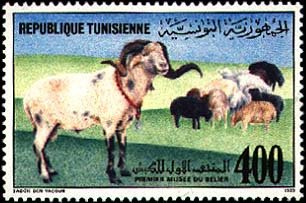
First ram museum
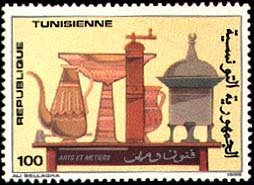
Arts and crafts. Hammered copper objects
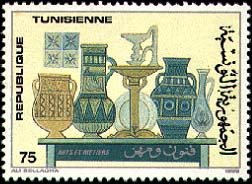
Arts and crafts. Pottery and ceramics
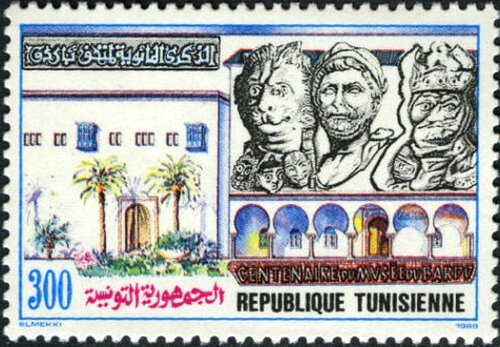
Centenary of the Bardo Museum
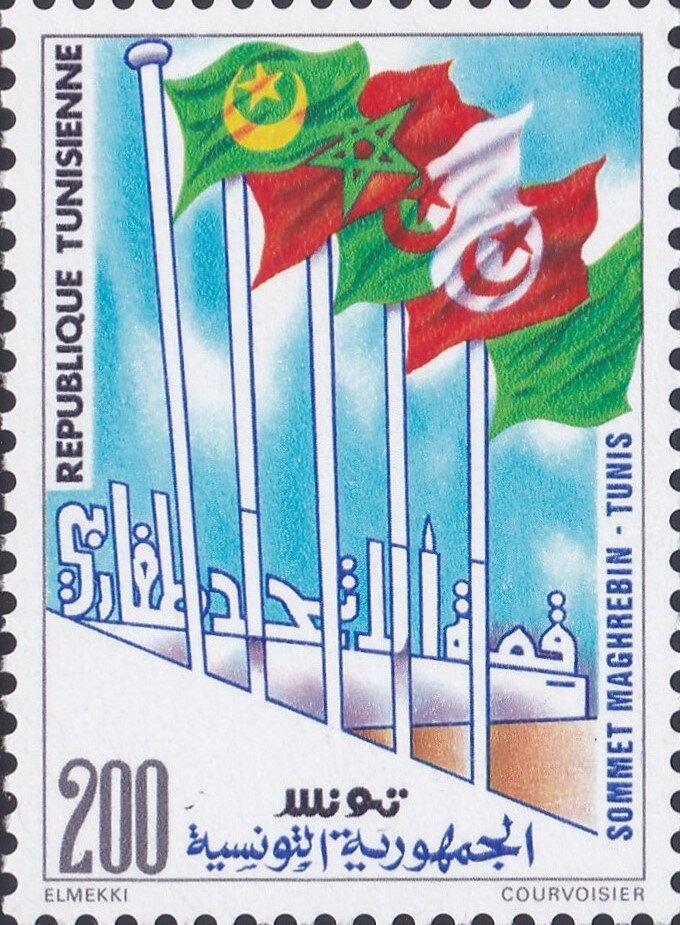
Summit of the Arab Maghreb Union, in Tunis
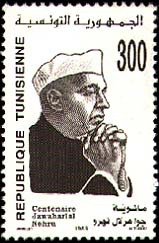
Centenary of the birth of Jawaharlal Nehru
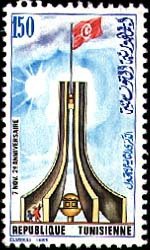
2nd Anniversary of November 7, 1987

4th session of the Carthage theater days
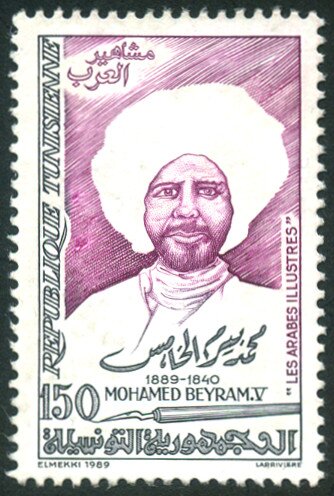
Centenary of the death of Mohamed Bayram V

Tunis International Fair (January 1990)
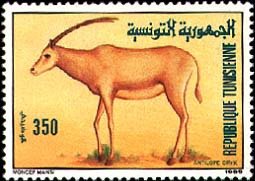
Tunisian wildlife - Oryx antelope

Tunisian wildlife - Turtle

Family well-being

20th Anniversary of Planned Parenthood

Knowledge - Education for all
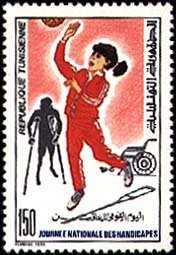
National Day of the Disabled

The Tunisian Red Crescent

The Arabs: Ali Douagi
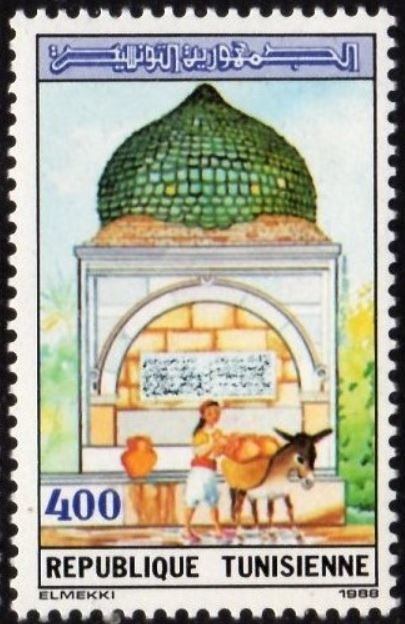
The Sabil - Dar Bouzaiane Sbil El Mechmèch (1793) - Hydraulic heritage
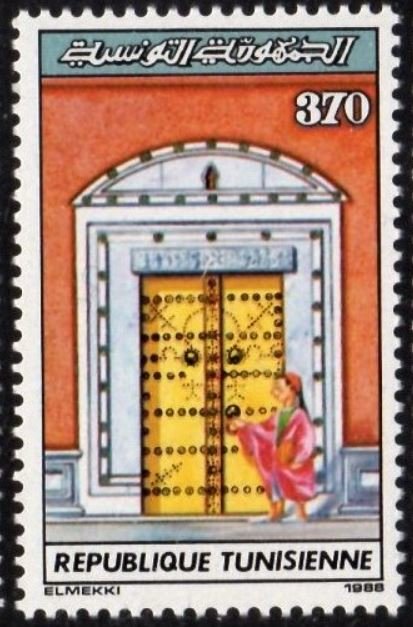
The yellow door and the knocker - Dar Bouzaiane (16th-17th century) - Urban tradition
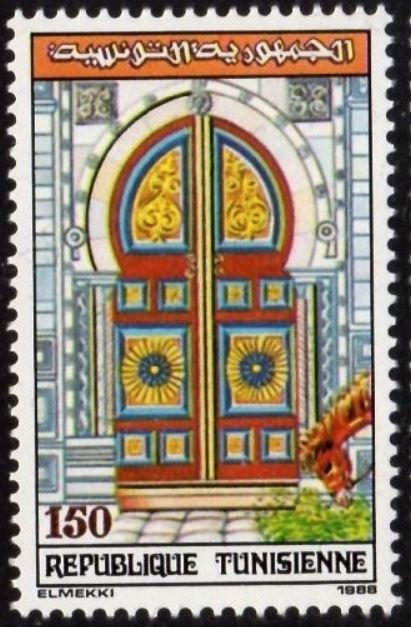
The painted door - Dar Bach Hamba (19th century)
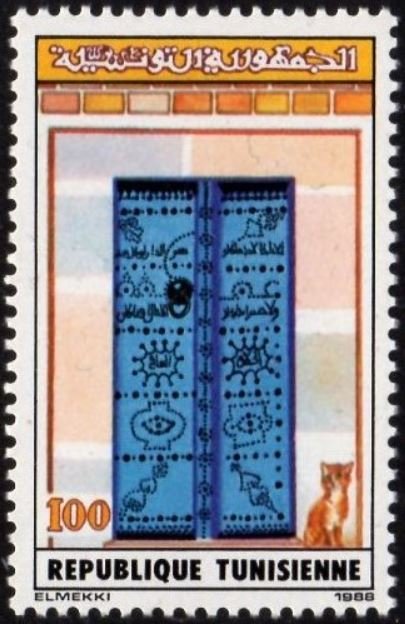
The blue door - Dar Rassâa (15th-16th century) - Sidi Bou Saïd
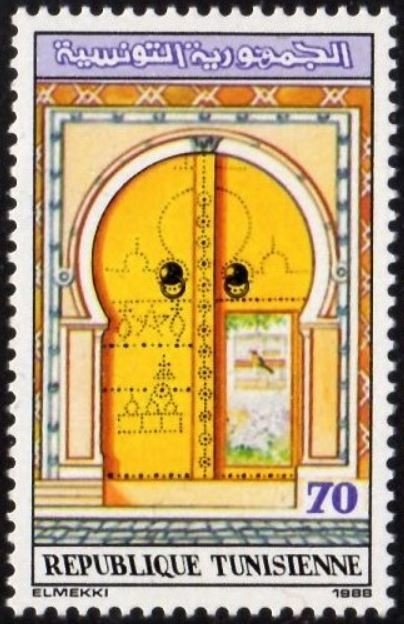
The yellow door - Dar Othman (19th century) - The Medina