Welcome to Tunisia Stamps
A historic collection of 1,776 Tunisia postage stamps

✨ Discovery of the day
Year: 1967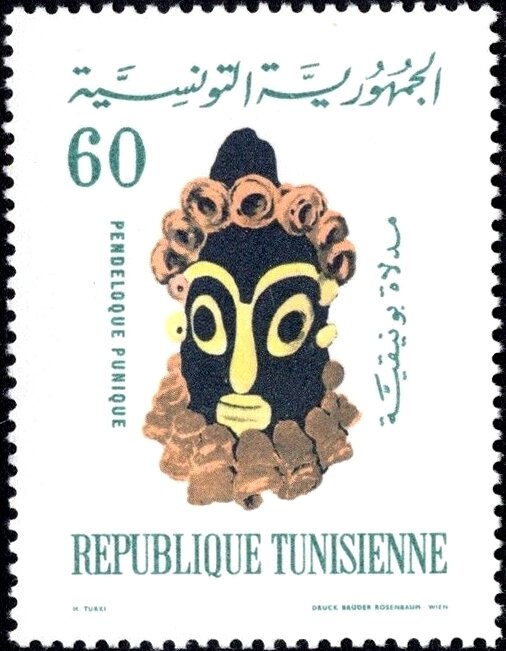
National history. Punic pendant
This stamp highlights the archaeological and artistic heritage of Tunisia through the representation of an ancient bas-relief depicting a bird placed in front of a plant motif, a direct evocation of the civilizations which have marked the territory since Antiquity. The subject refers to the Punic or Roman-African heritage, where wildlife and nature occupied a strong symbolic place, associated with fertility, protection and the link between humans and their environment. By isolating the work in a sober setting, the illustration invites contemplation and underlines the universal value of this sculpted heritage, witness to the cultural continuity of the country. In the Tunisian context, this stamp is part of an approach to promoting ancient history and archaeological riches as fundamental elements of national identity, affirming Tunisia as a land of civilizations and memory, attentive to the preservation and transmission of its cultural heritage.
View Stamp Details →Collection Gallery
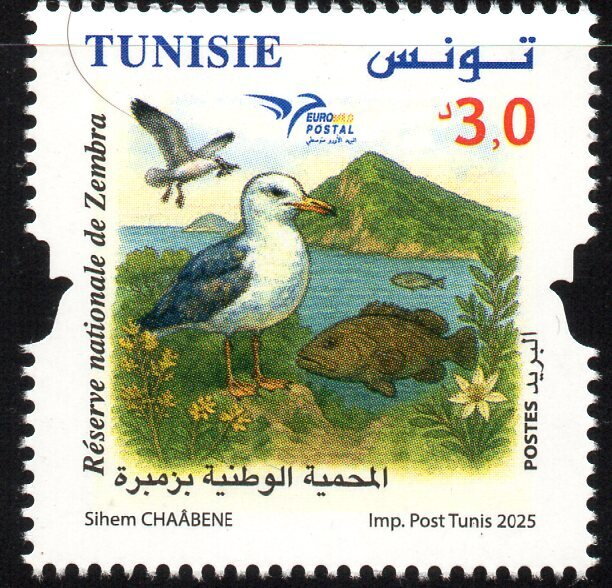
Kuriat Islands Nature Reserve
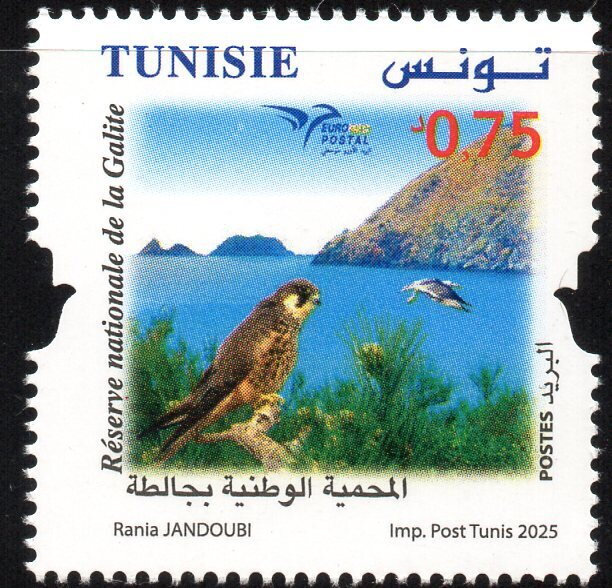
Galite Island Nature Reserve
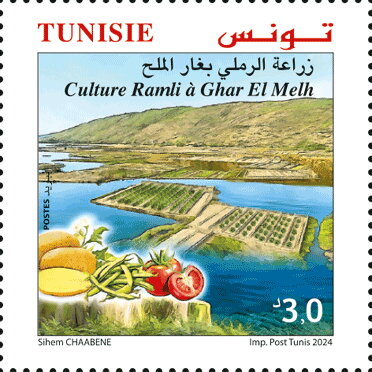
Ramli cultures of Ghar El Melh in Bizerte
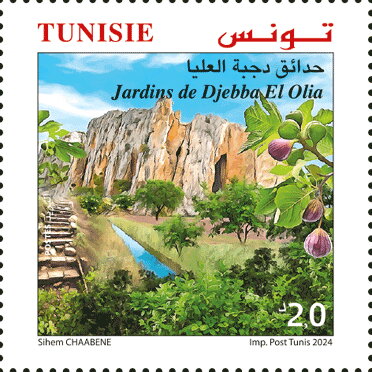
Hanging gardens of Djebba in Beja
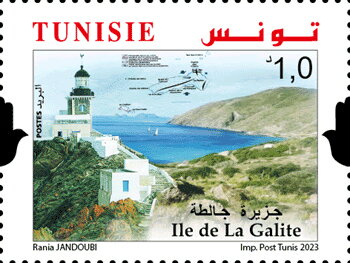
Galite Island
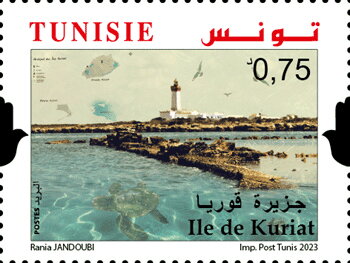
Kuriat Island
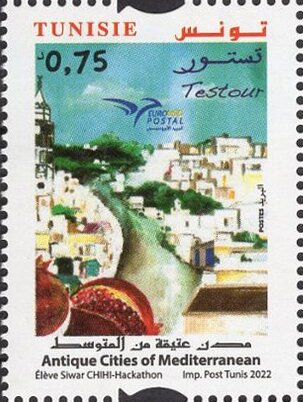
Testour (Ancient cities of the Mediterranean)
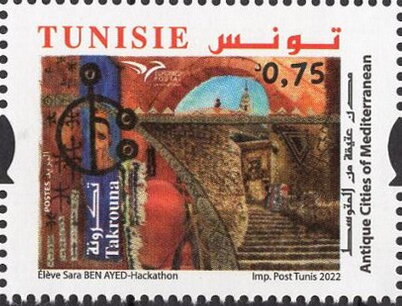
Takrouna (Ancient cities of the Mediterranean)
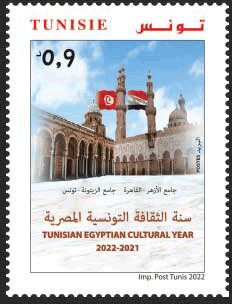
joint Tunisia-Egypt postage stamp: Zitouna Mosque and Al Azhar Mosque
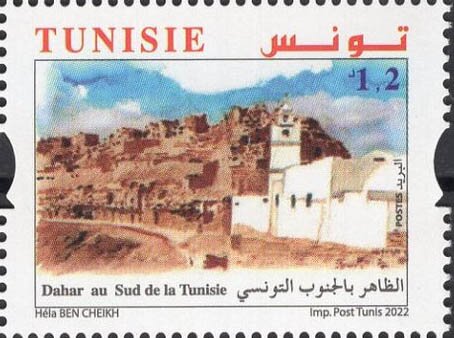
Ecotourism: Dahar in the South of Tunisia
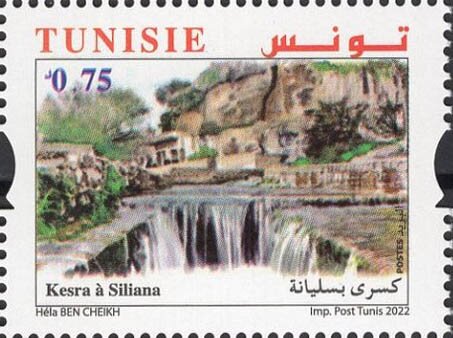
Ecotourism: Kesra in Siliana
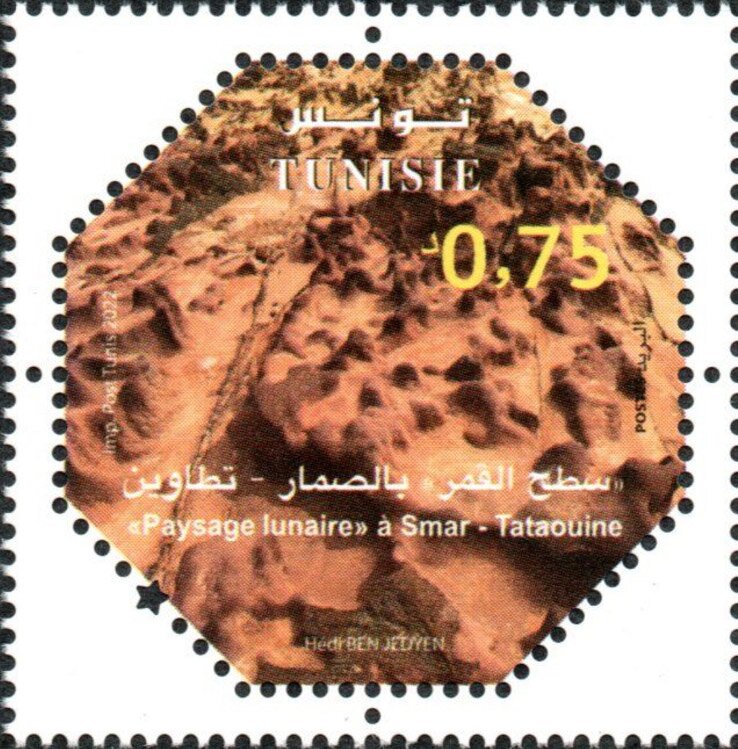
Lunar landscape at Smar - Tataouine
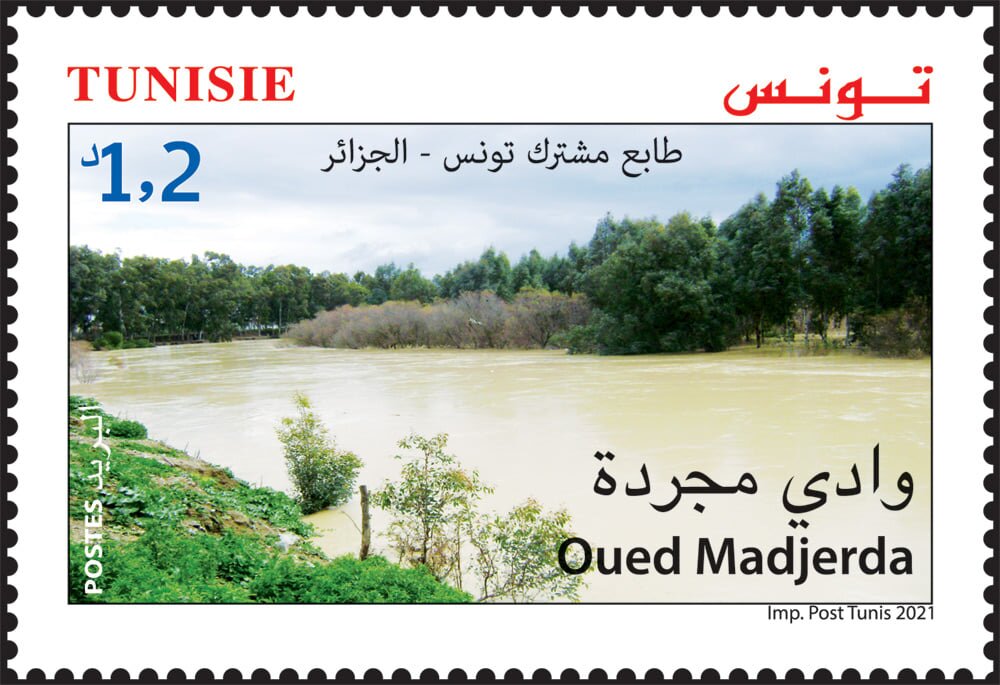
Joint Tunisia-Algeria postage stamp: Oued Madjerda
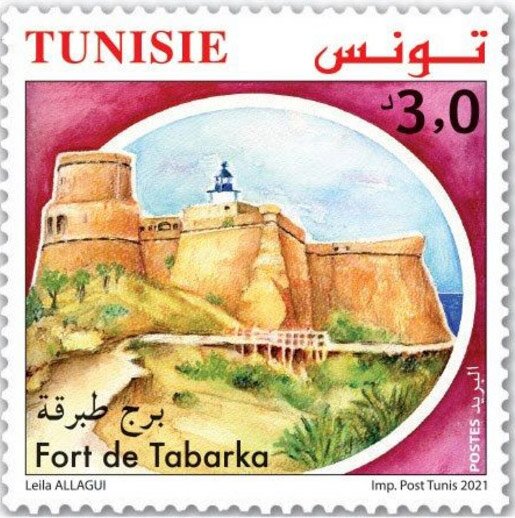
Tabarka Fort
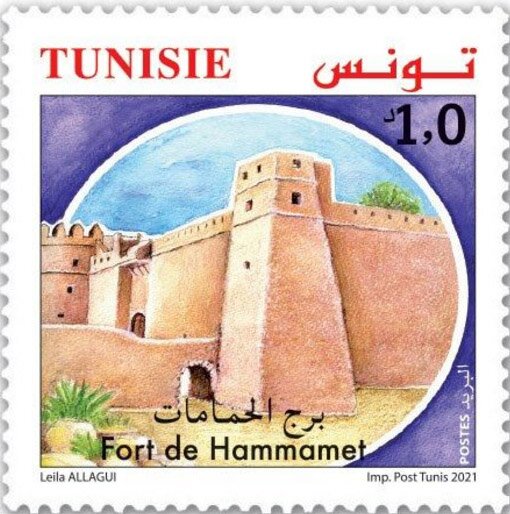
Hammamet Fort
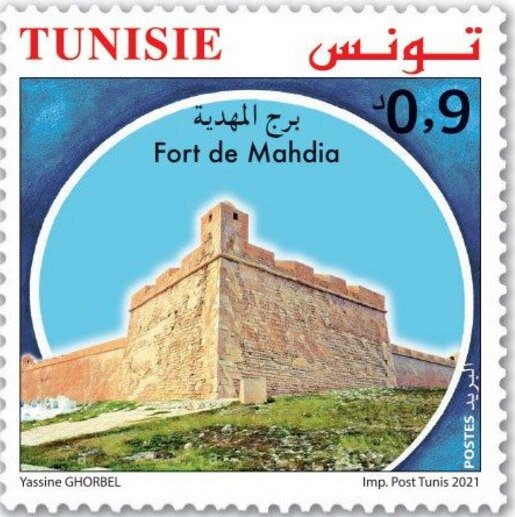
Mahdia Fort
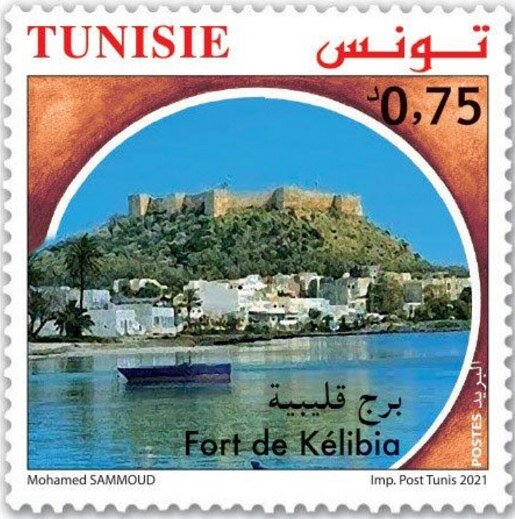
Kelibia Fort
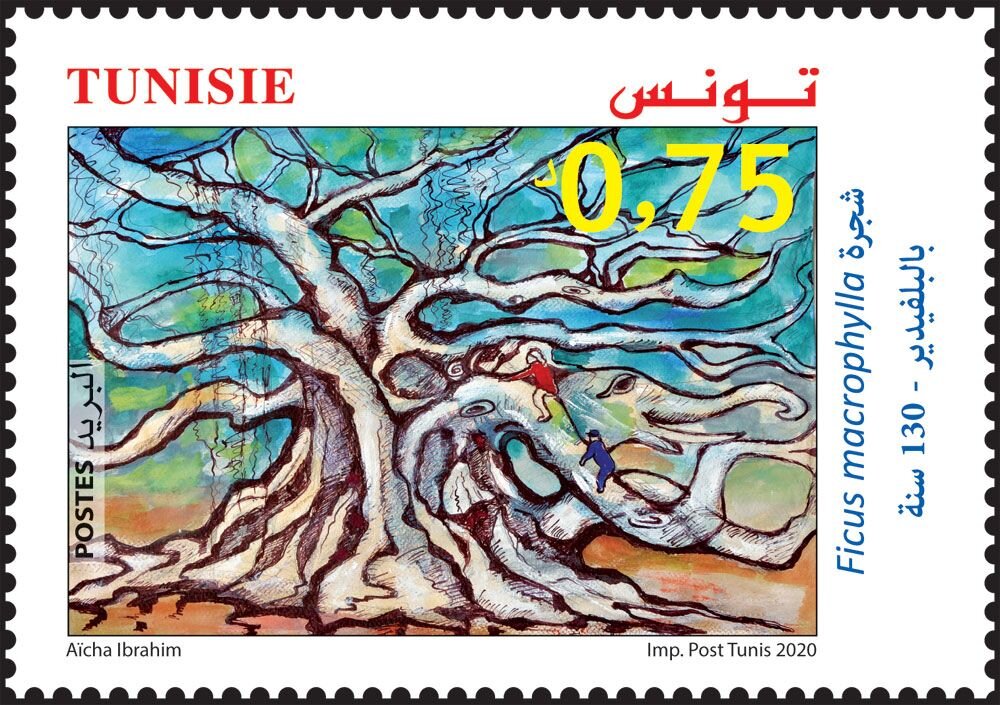
The Ficus Macrophylla at Belvedere Park - 130 years
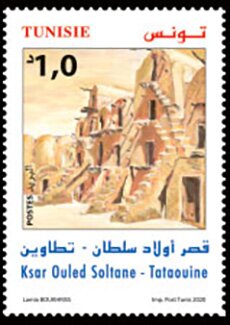
The Ksours of Southern Tunisia
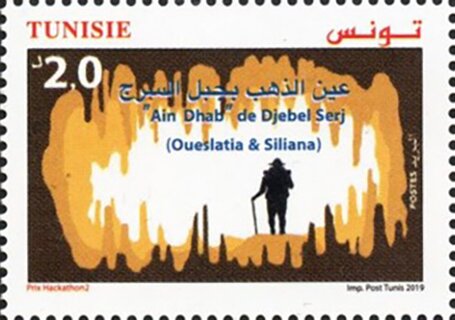
Ain Dhab to Jabal-Sarj
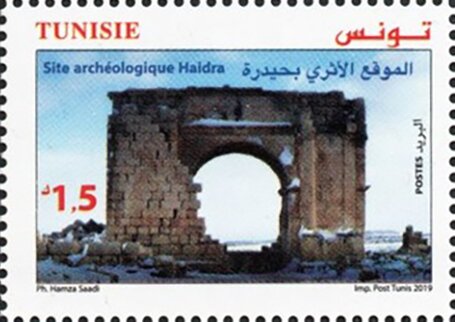
The archaeological site of Haidra
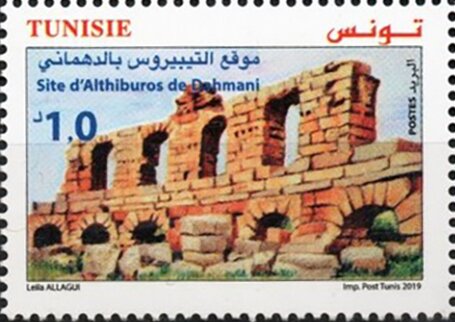
The archaeological site of Althiburos in Dahmani
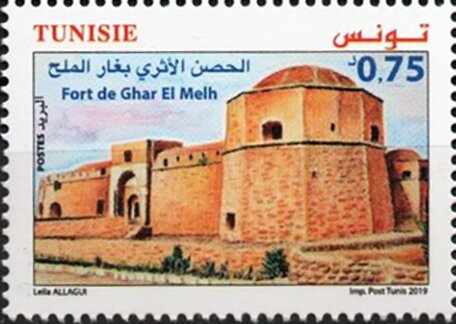
The archaeological fort of Ghar El Melh